What is a Commodity Code and How is it Used?
Commodity codes are a foundational element of international trade, facilitating the classification, regulation, and documentation of goods. By understanding and correctly using these codes, businesses can ensure smooth customs clearance, compliance with trade regulations, and accurate duty payments. Utilizing available resources and staying informed about updates to the HS system are key practices for successful global trade operations.
READ →
Revolutionizing Customs Brokerage: Introducing Broker Genius
Broker Genius represents a pivotal moment in the evolution of customs brokerage. By harnessing the power of AI, it's not just improving efficiency; it's fundamentally changing how international trade is facilitated. For customs brokers and international traders alike, Broker Genius offers a glimpse into a future where technology and expertise combine to create smoother, faster, and more reliable trade processes.
READ →
AI is revolutionizing customs brokerage
In today's fast-paced world of international commerce, efficiency is key. Enter artificial intelligence (AI) - the game-changer that's revolutionizing customs processes worldwide. From slashing paperwork to spotting smugglers, AI is transforming how goods move across borders. Let's dive into this exciting frontier and explore how AI is reshaping the future of global trade.
READ →
The Role of Customs Brokers in International Trade
Unlocking Global Trade: 7 Ways Customs Brokers Streamline Your International Business In today's interconnected world, international trade is the lifeblood of many businesses. But navigating the complex web of customs regulations, tariffs, and import/export procedures can be daunting. Enter customs brokers - the unsung heroes of global commerce. This article explores the crucial role these professionals play in facilitating smooth cross-border transactions and helping businesses thrive in the international marketplace.
READ →
How Does Broker Genius Fit into This New Innovation of AI?
Broker Genius uses AI to streamline customs entry processes. Its platform automatically extracts, manages and classifies data, freeing up brokers to focus on strategic tasks. With rave reviews from those who've adopted it, it's a game-changing development in customs brokerage.
READ →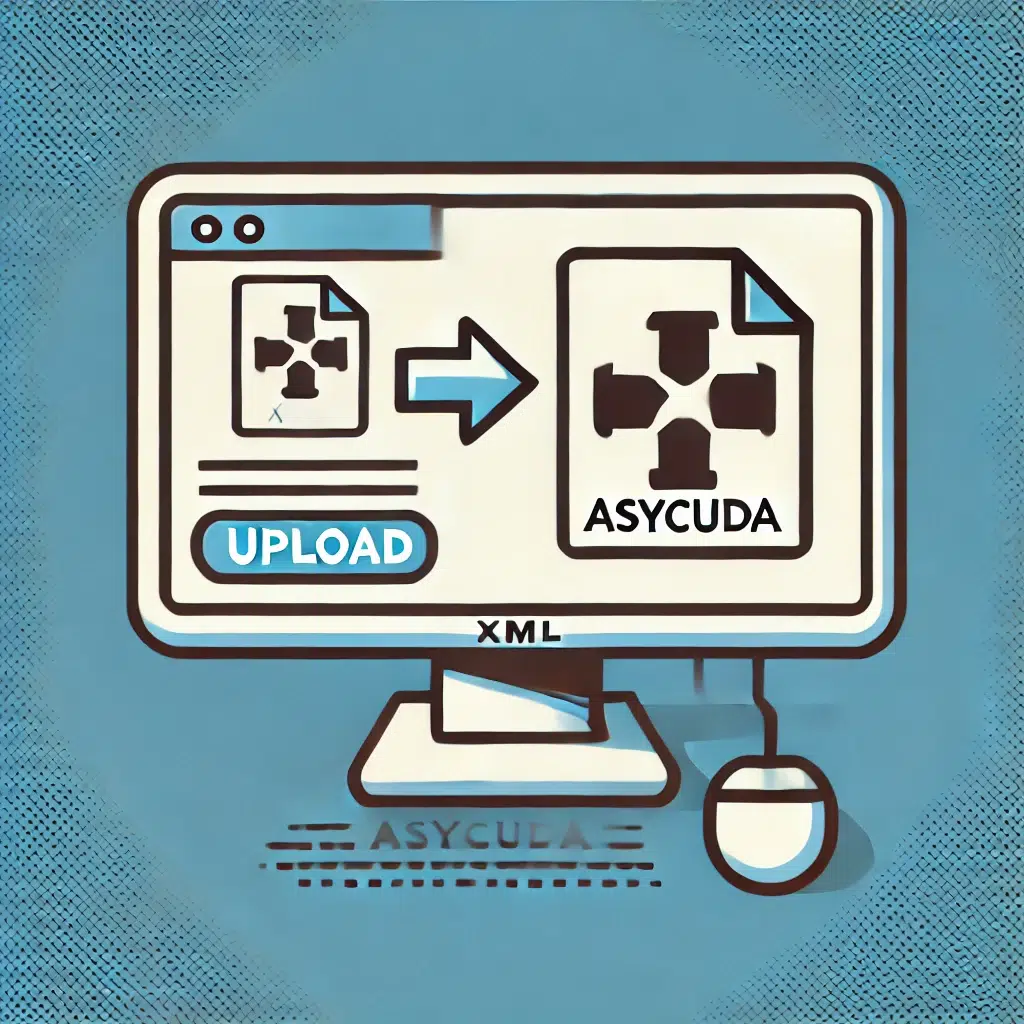
How to import XML into asycuda
To import XML files into ASYCUDA, begin by ensuring your XML file is correctly formatted according to the system's schema. Log into the ASYCUDA portal, navigate to the appropriate section (like "Document Library" or "Goods Clearance"), and select the option to upload your XML file. After uploading, review the data for accuracy, then submit the file for processing. Monitor for any errors or issues, and finalize your customs declaration as needed. Proper preparation and verification are crucial to ensure a smooth import process.
READ →